After exploring the western Yunnan province, we were left with about 10 days to fill in China. We had heard from some other travellers about a bus route through the Tibetan areas of the western Sichuan province, which intrigued us. We had originally wanted to try to check out Tibet, but with the severe travel restrictions requiring us to get permits and a guide to get into the Tibet Autonomous Region, and the huge cost involved, we decided against it. This route would allow us to travel through the eastern reaches of Tibet, that are not so tightly controlled, so we thought we would give it a shot. We started off by taking an 8 hour bus from Shangri-La to Xiangcheng, over a bumpy mountain rode that travelled across the high mountain pass separating the Yunnan and Sichuan provinces. Unfortunately it was a rainy day, restricting our views a bit, but it was still a pretty ride.


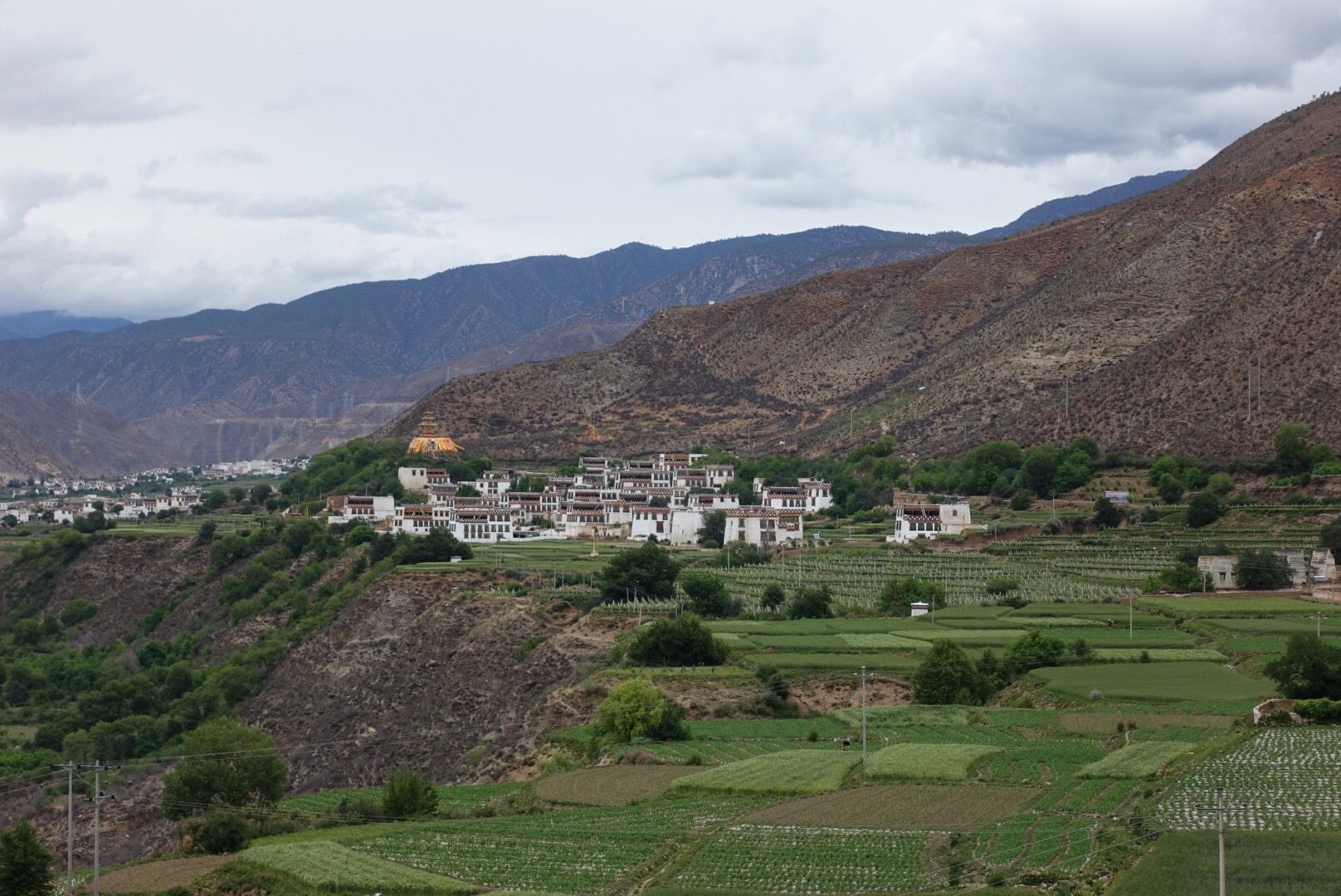
Traditional Tibetan houses.



We arrived in Xiangcheng, a crappy boring transit town, in the late afternoon and had some trouble finding the hotel we wanted to stay at. We ended up getting a room for 20RMB each (~$3) from a lady at the bus terminal. It was a fairly crappy room but had clean sheets – we were only going to be in town for one short night before heading to Litang anyways. After a quick walk around town, Thom and a Japanese girl we met went out to get noodles for dinner nearby while I rested and tried to recover from the bumpy ride.
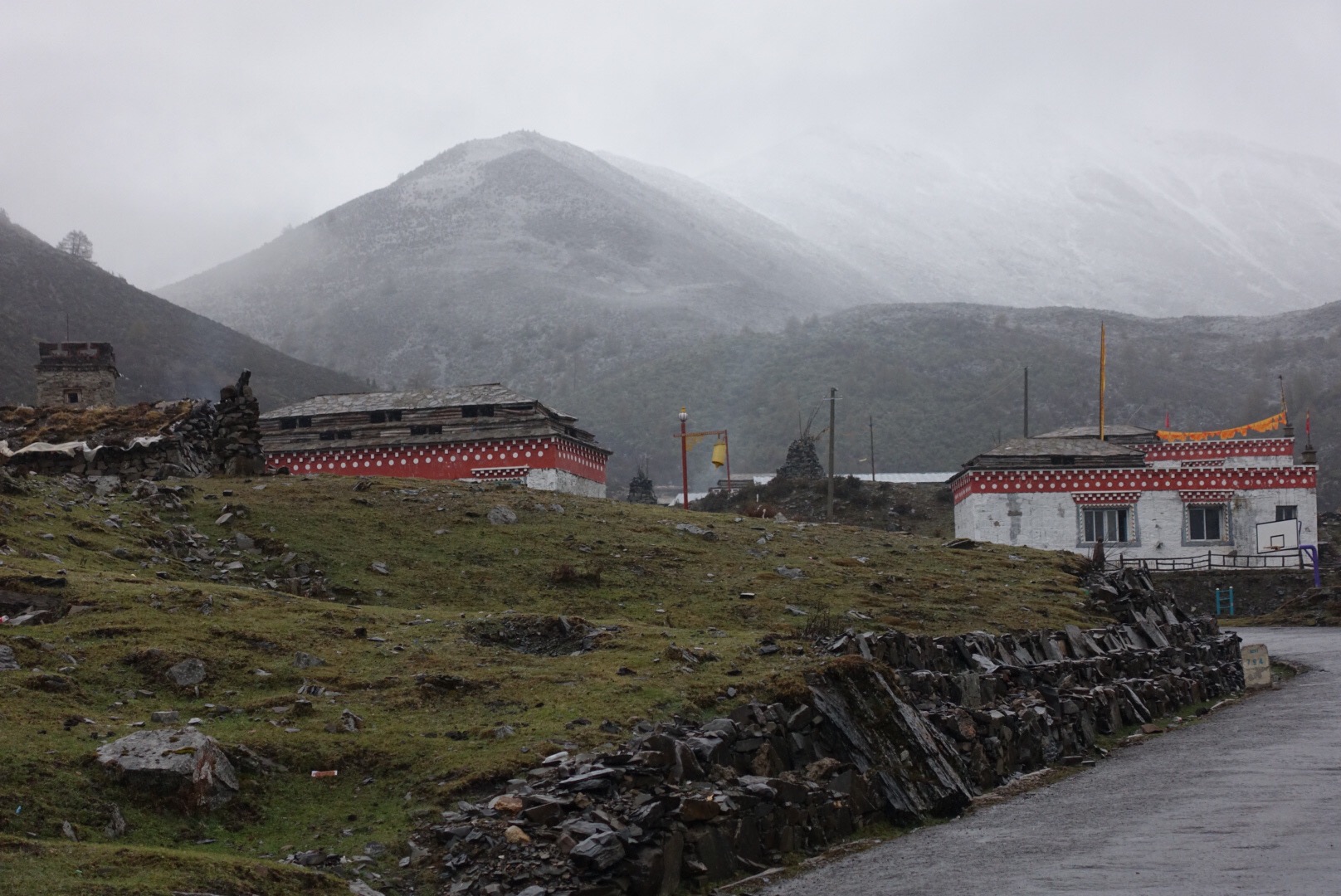
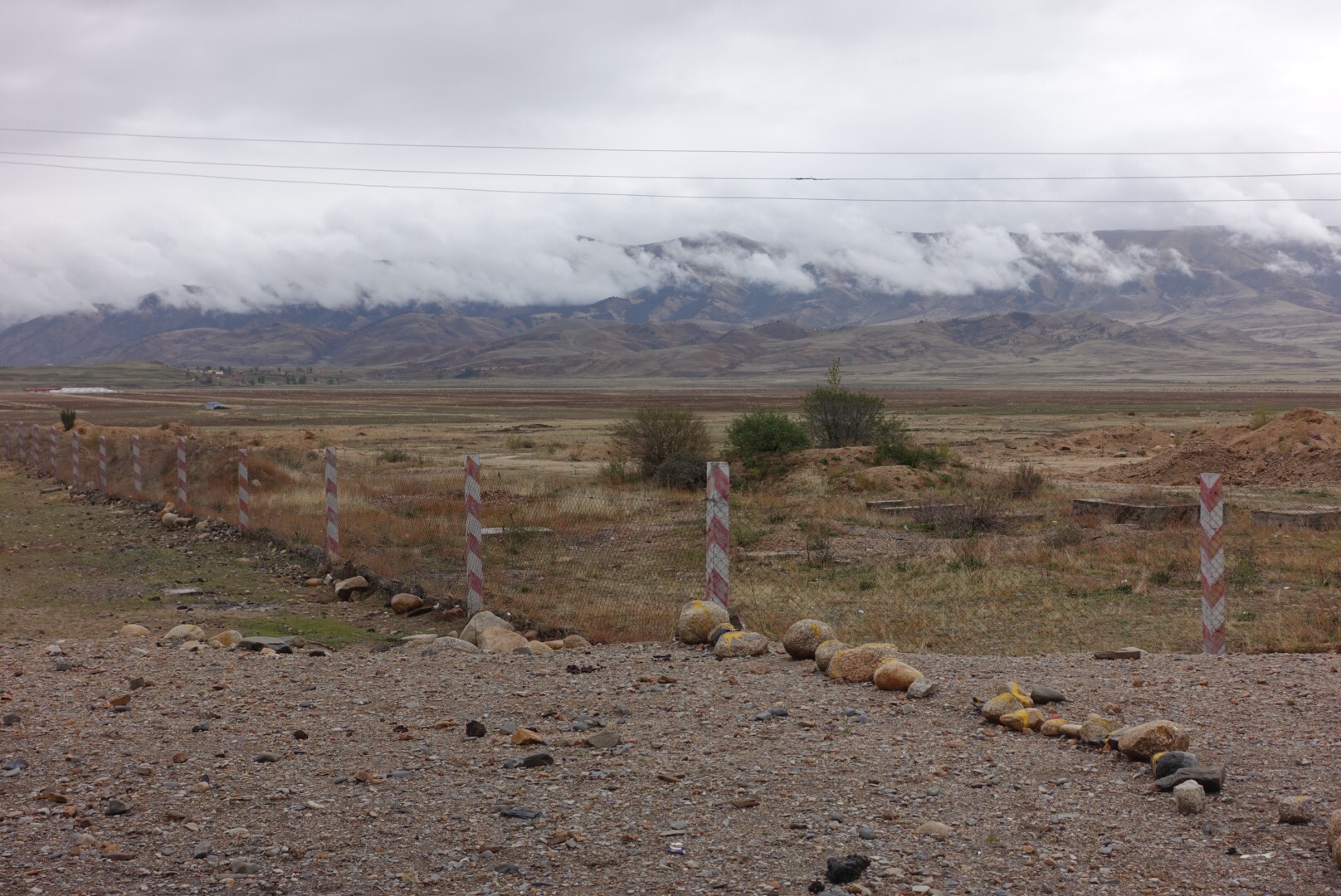
The next day we woke up early to catch a minivan from Xiangcheng to Litang. The views along the way were some of the best parts of traveling through the western Sichuan province, and this drive was no exception.


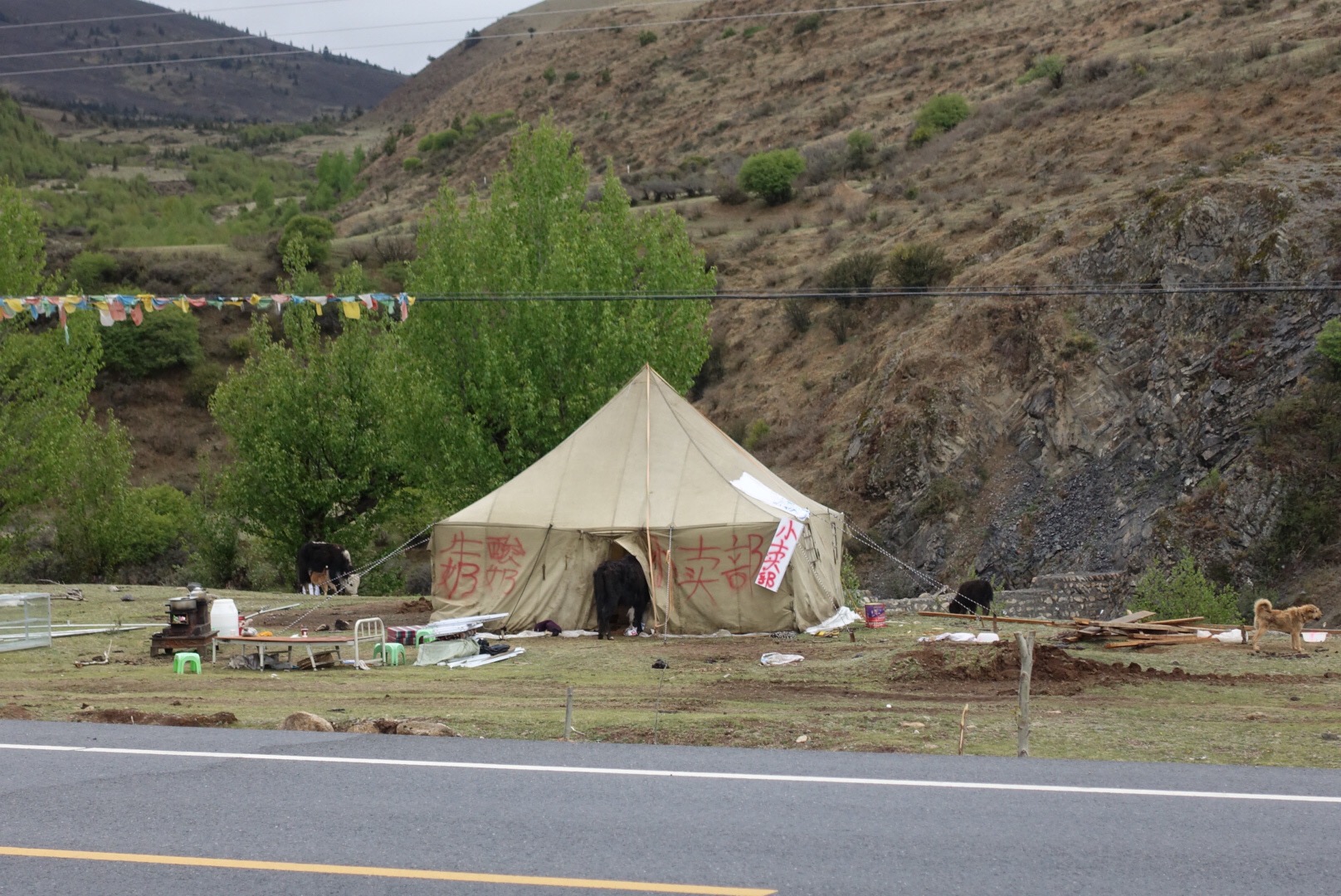
We stopped for a bathroom break and saw a yak trying to get into a woman’s tent.

We arrived in Litang by noon and after finding our hotel, Peace Guesthouse, we found some food for lunch. I wasn’t too hungry, because despite taking altitude medication, I was not feeling super hot in this town at over 13,000 feet. After lunch, we napped then walked around town for a bit.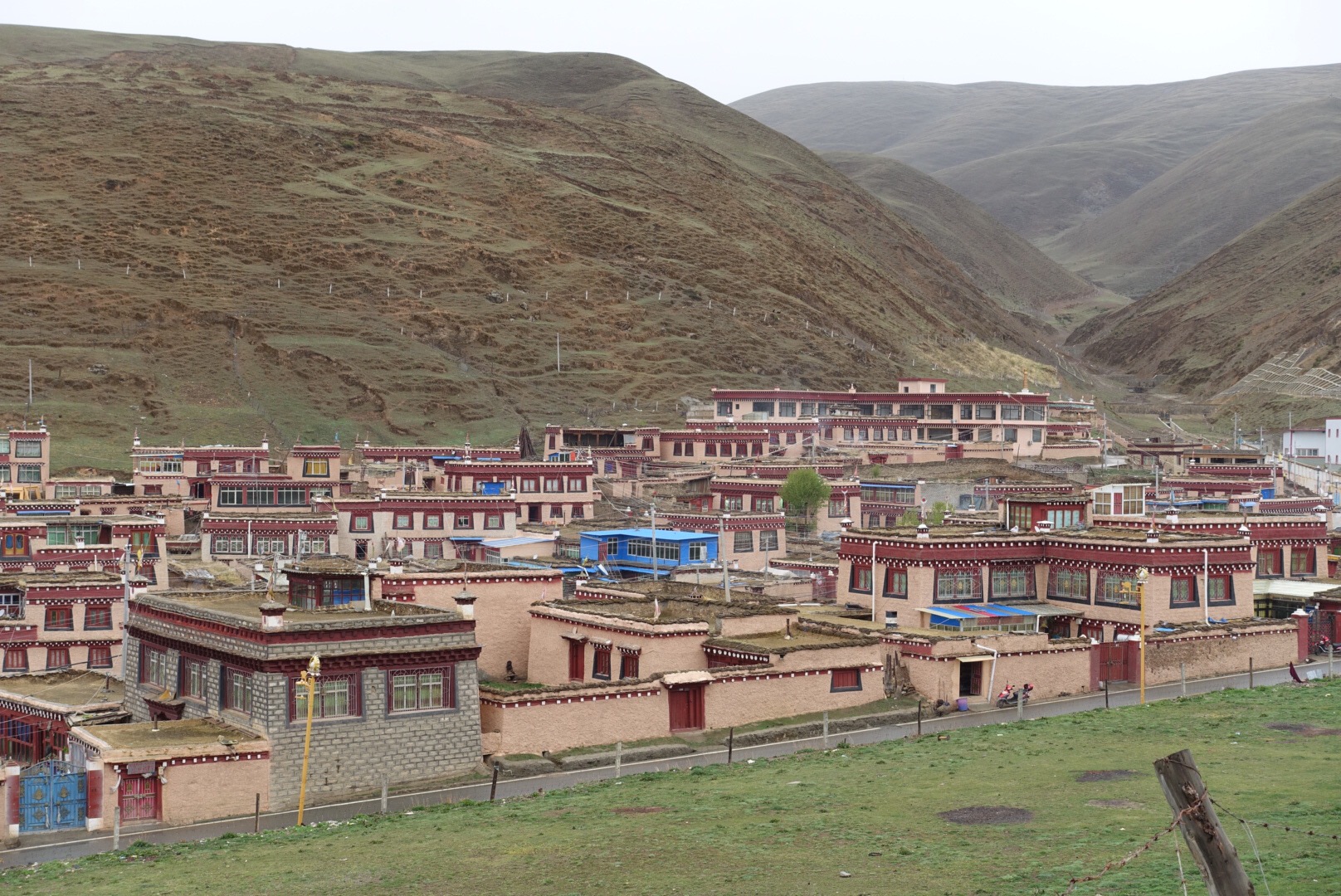
Yak dung drying on the side of the house to use later for fire fuel.

View of town from the road to the monestary.
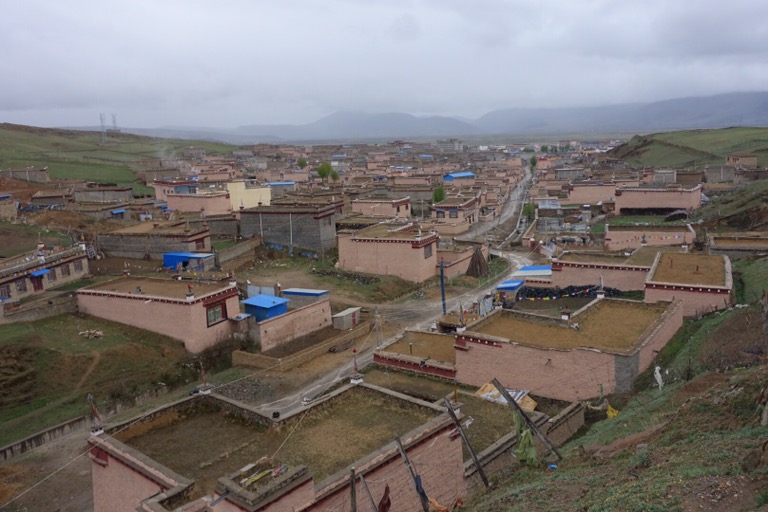

This monestary was home to 2 Dali Lamas, and several were born in Litang as well. It was kind of a huge bummer because it seemed that every building was under construction so we could not go in any of them, but we still got to walk around and see them from the outside.

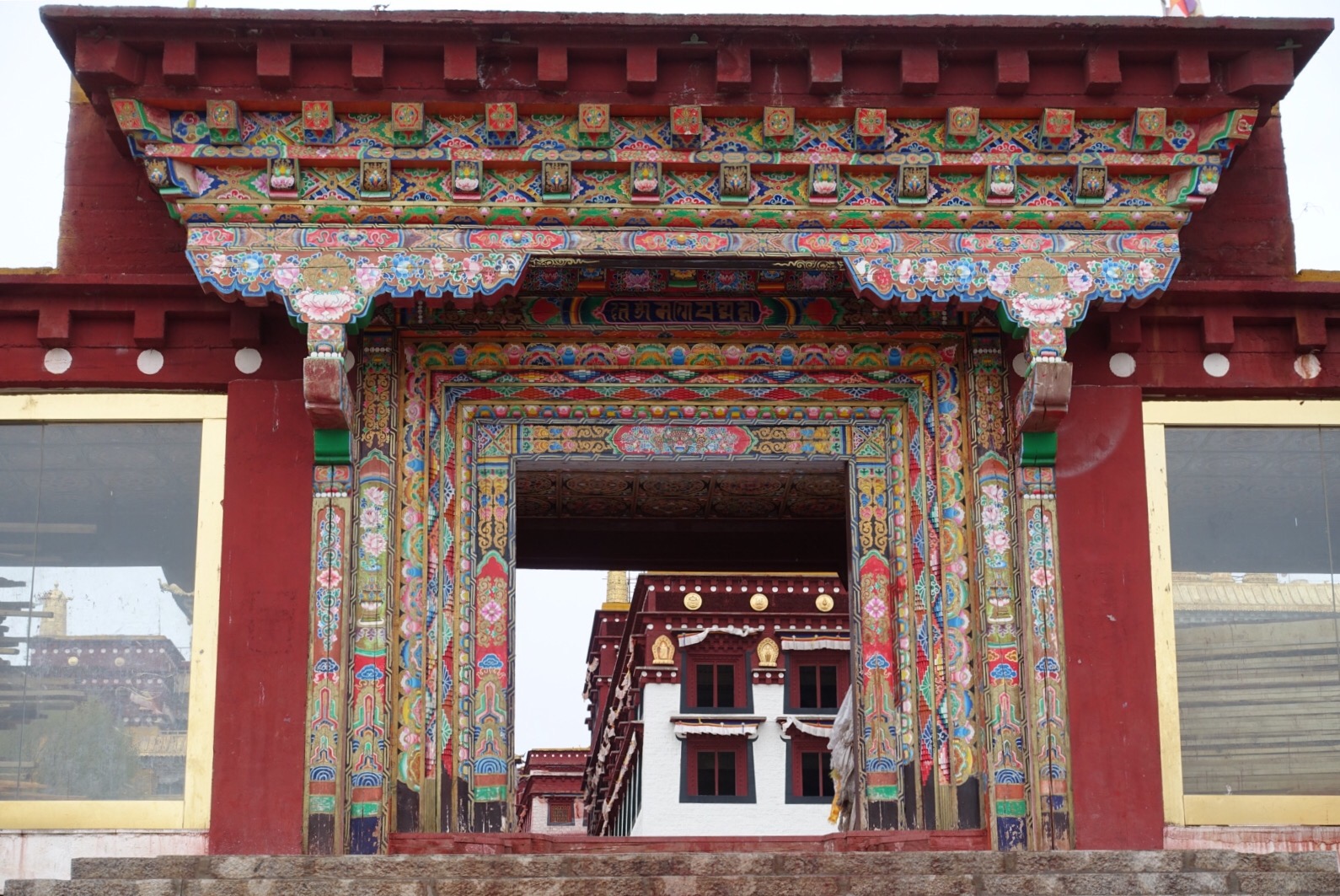


After the monestary, we walked around town for awhile and had a pretty good dinner of thinly sliced yak meat with potatoes and some dumplings with some other travellers who happened to stop into the restaurant we were at and were from Seattle. One was a woman whose 80th birthday was the next week, and was planning a hike in the Yading National Preserve to celebrate!
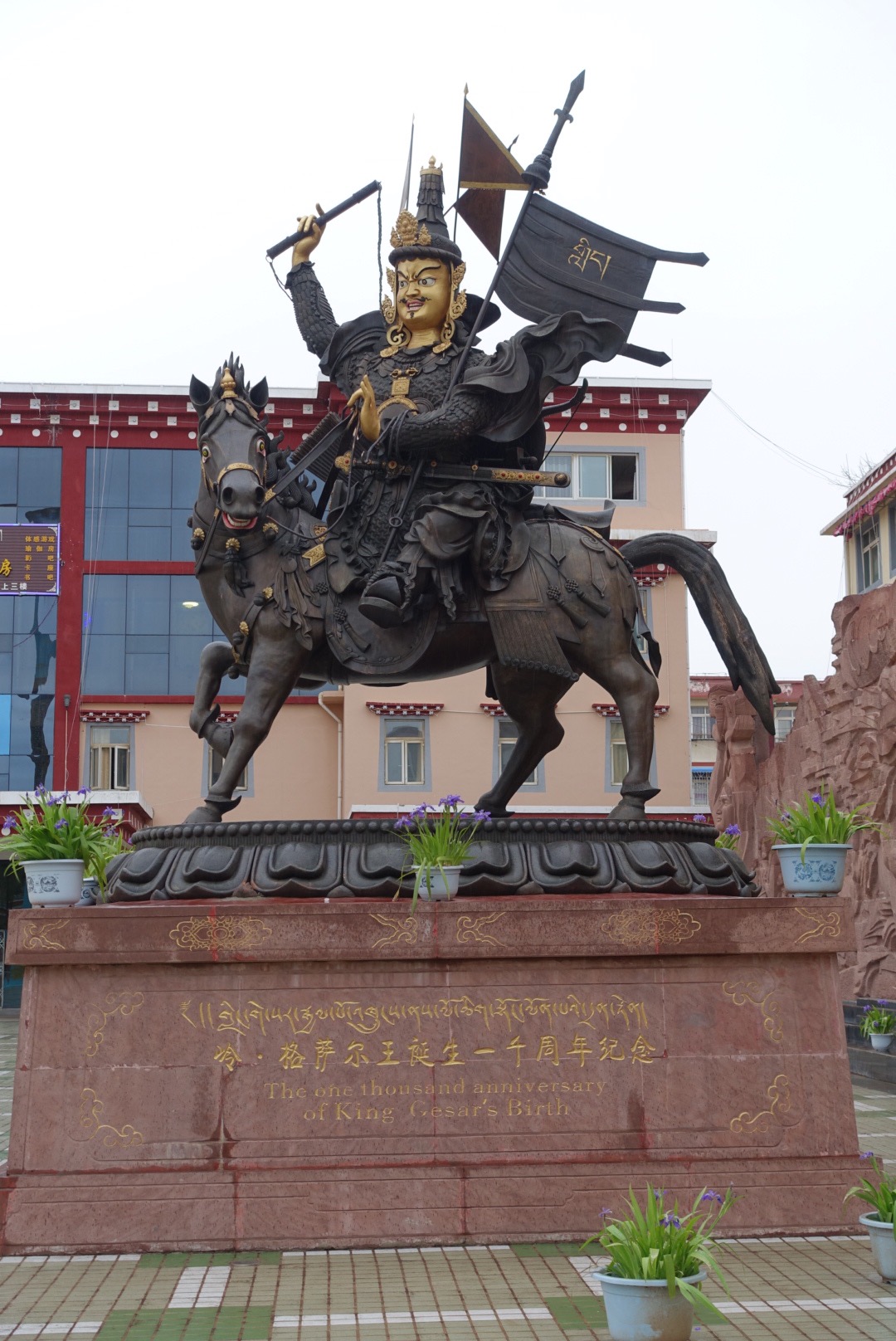
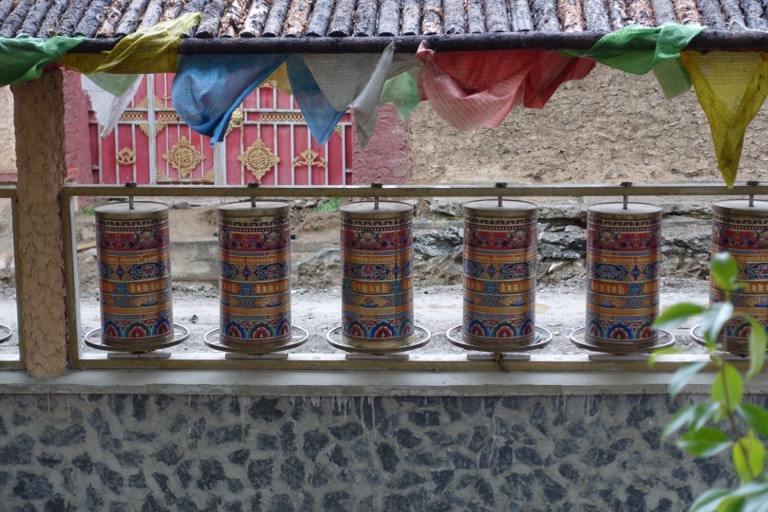
We weren’t super impressed with the offerings for things to do in Litang, so we quickly decided to move along the next day to the next town on our list, Kangding. Our hostel owner happened to know a guy who was going that way the next morning in a private car, and charged us less than the bus ticket! He was a dentist with quite a nice car, so we got pretty lucky with that ride. It was just the two of us and him, so we had plenty of space and a smooth ride through the mountains. It worked out pretty well even though he didn’t speak any English! It was another lovely ride with pretty views.
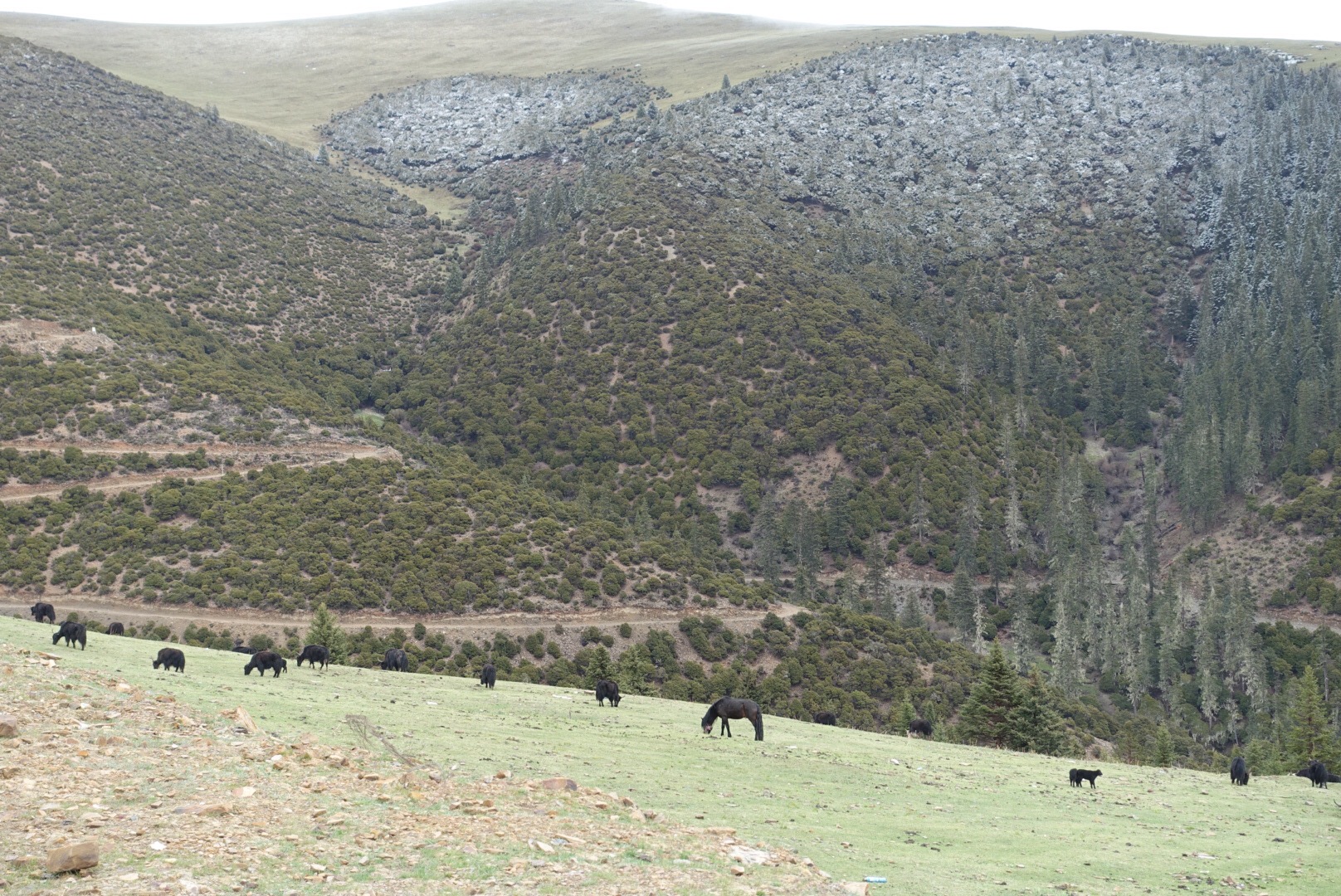
Our driver.

Rest stop.

We would have to drive over this mountain pass to get to Kangding!
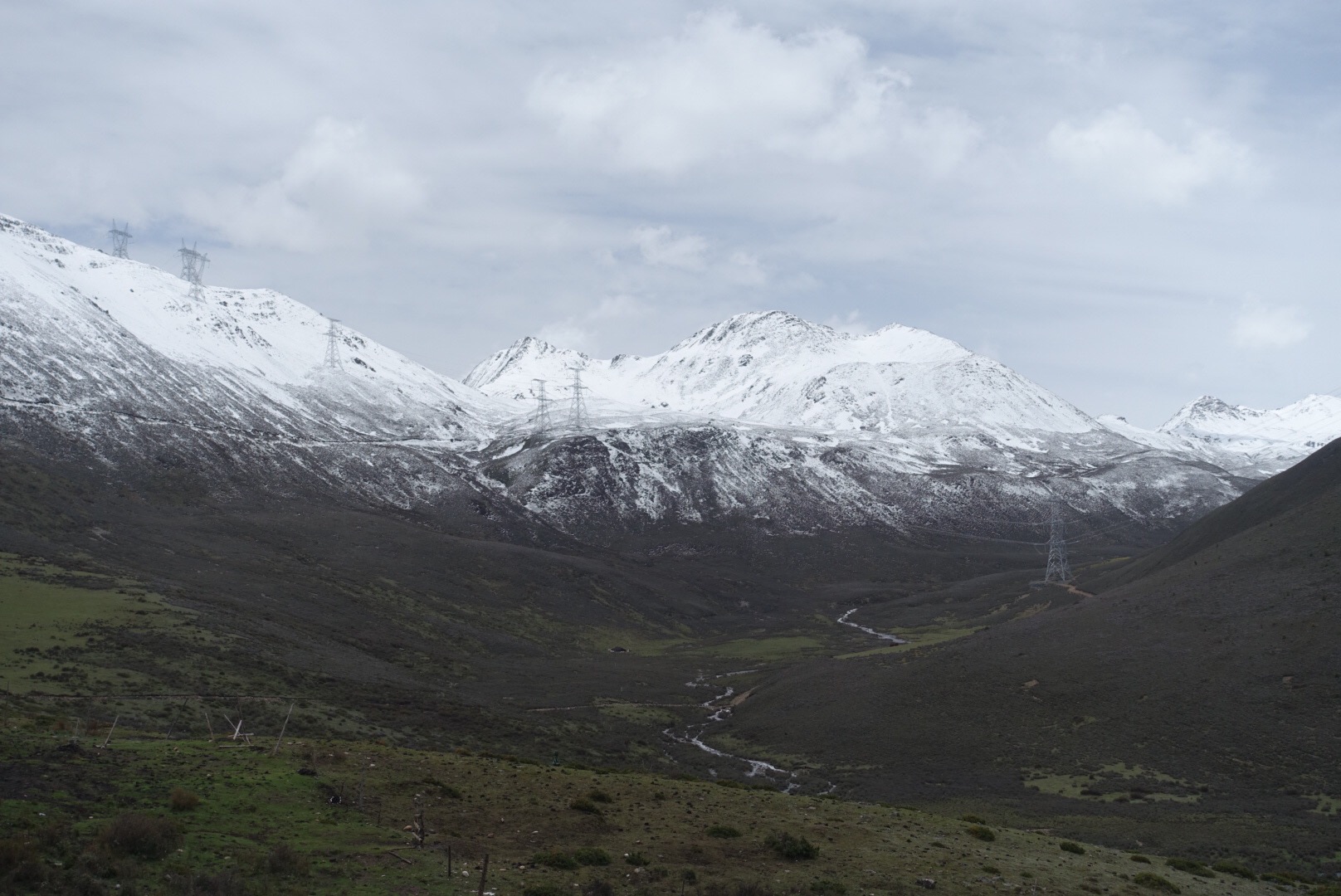

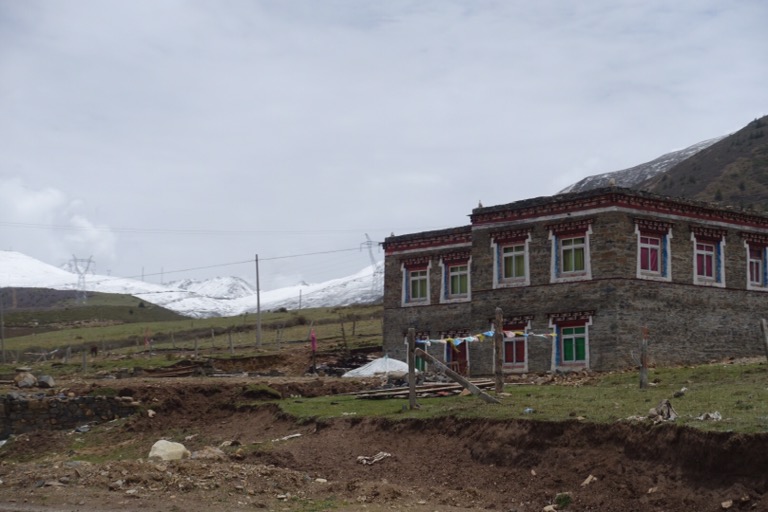
There is a famous love song that was written in Kangding in the 1950s, they are very proud of their song. So much so that it is written on the mountains in three languages!

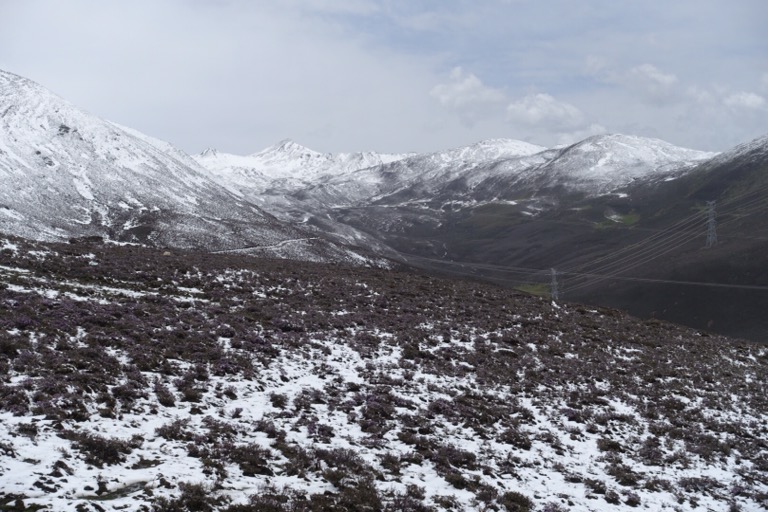
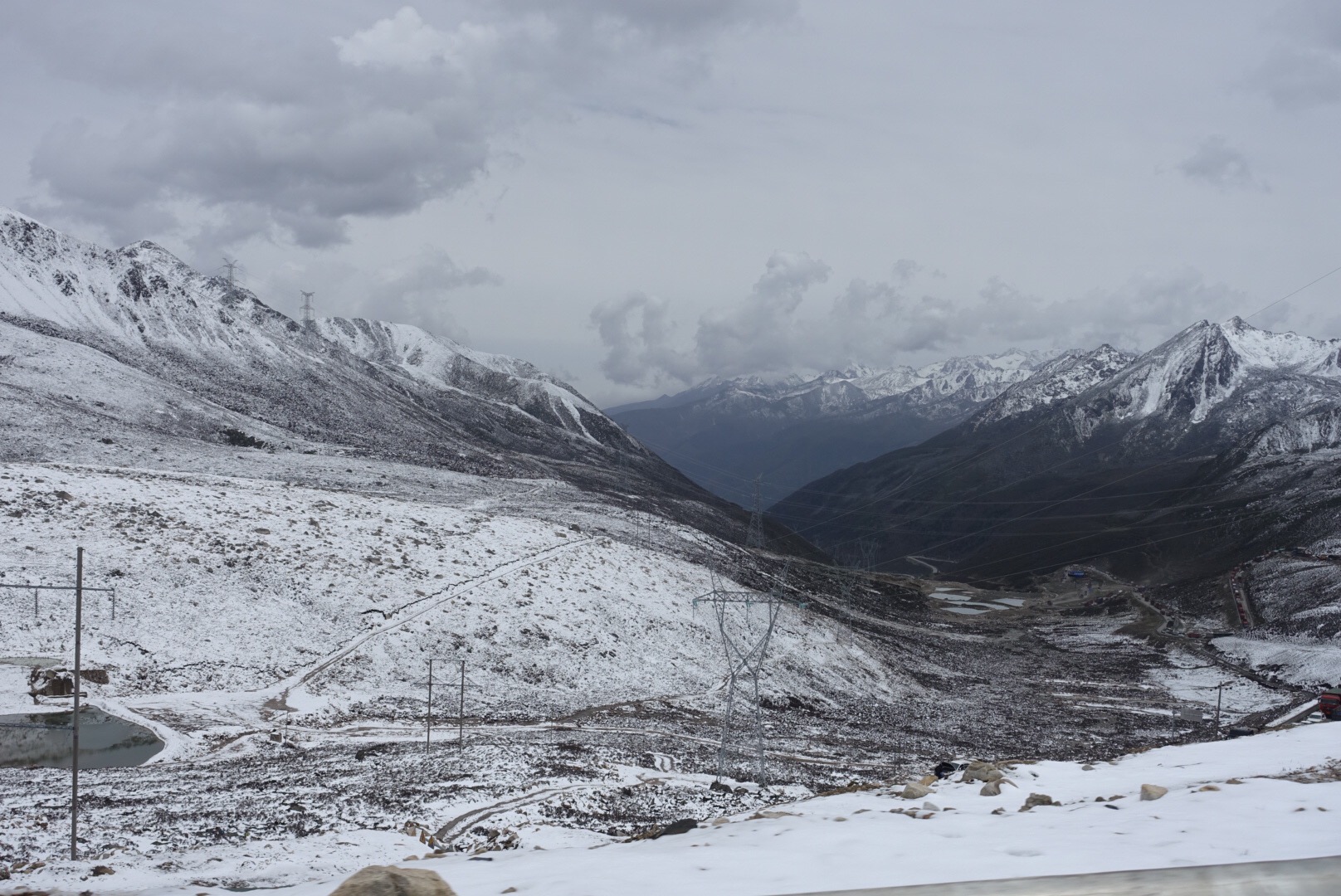
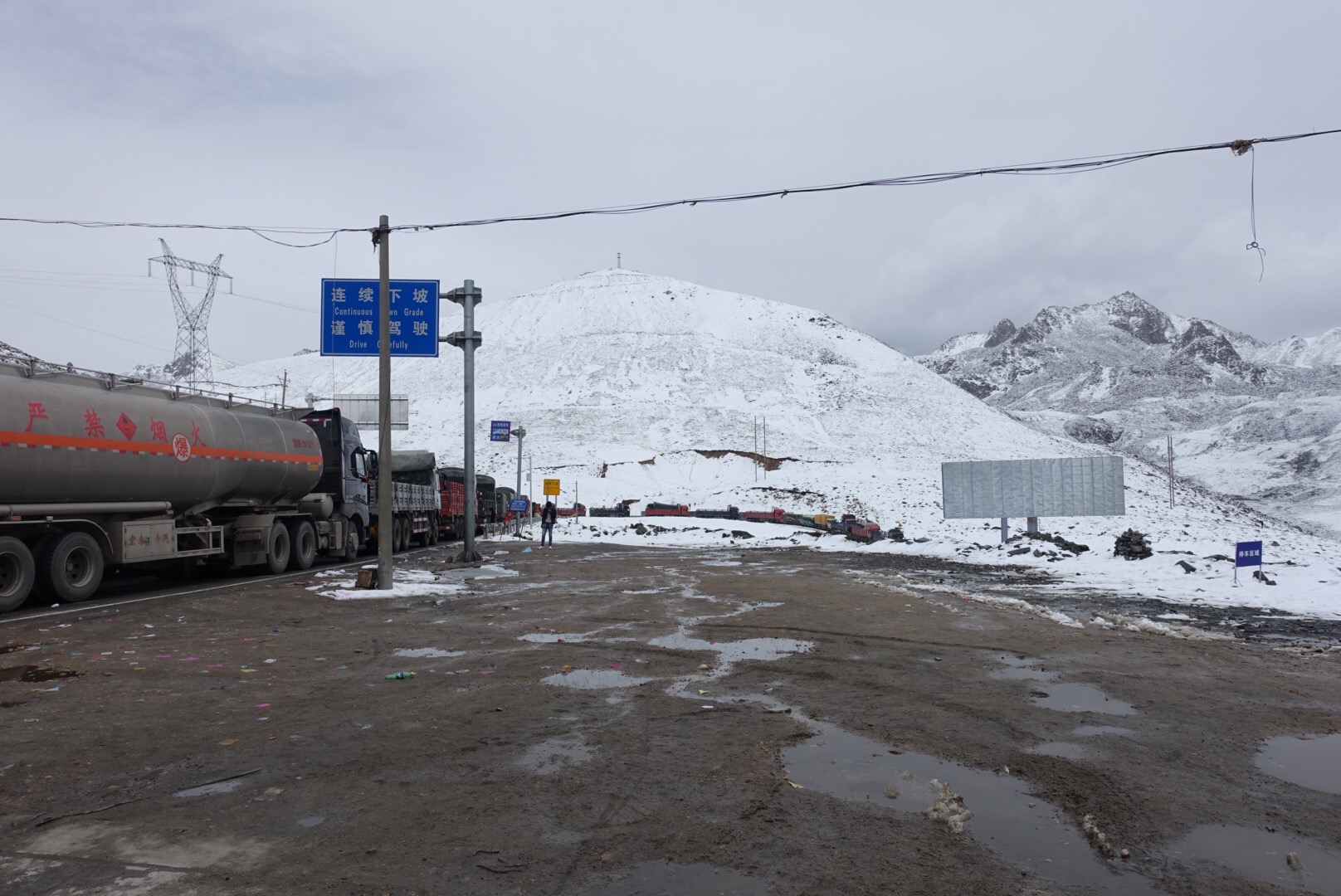
The mountain pass was a perfect example of Chinese chaos. There was a lot of traffic as this is the main road between Chengdu and Tibet, so a lot of trucks drive this way to bring supplies to and from Tibet. The main reason there was so much traffic was that everyone kept trying to cut each other off and drive in the opposite lane to try to get further ahead, which would stop traffic in the other lane for awhile until it could clear out. We spent over 3 hours trying to get over the pass and through traffic, which would have probably been way less if everyone just stayed in their own lane! A bit frustrating, to say the least.
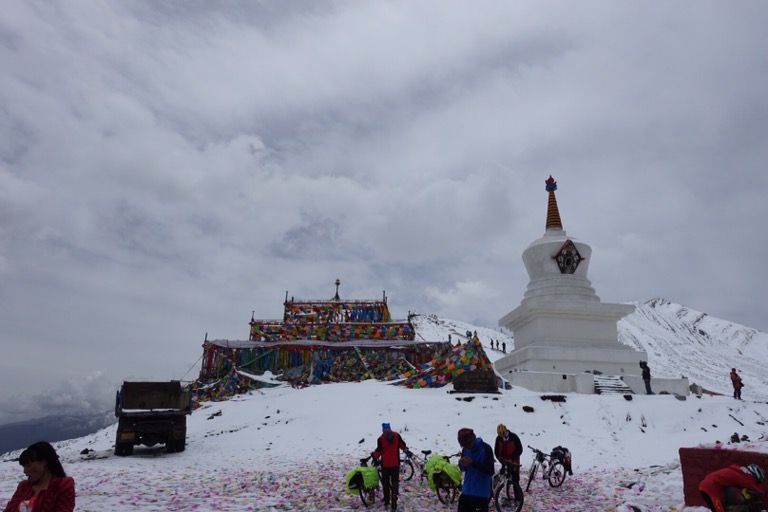
At least we had nice views along the way!


We eventually made it to Kangding and climbed 20 minutes up a hillside to get to our hostel, Zhilam Hostel. We had read about it online and had somewhat high expectations, because it is run by an American family. But the rooms were really overpriced for the area, so we ended up staying in the dorm, which we do not do very often. Luckily the first night we had the 8 bed dorm to ourselves! The next night we were not so lucky, but at least we got a good night sleep for one night.
In the morning Thom ordered the tsampa for breakfast, since he loved it so much in Shangri-La. This time, instead of a bowl of porridge, he got a bowl of roasted barley flour with butter chunks in it, some yak milk in another bowl, and a lesson on how to turn it into tsampa. There was a process of mixing it in the bowl with some milk, using one strong hand. The guy teaching him kept telling him to do it like a man, use your strong arm, which was hilarious because it was hard for Thom to figure out what the guy wanted him to do, but the guy thought he was being weak haha. In the end Thom ended up with a ball of dough and some Tibetan butter tea to wash it down. It was actually pretty good!

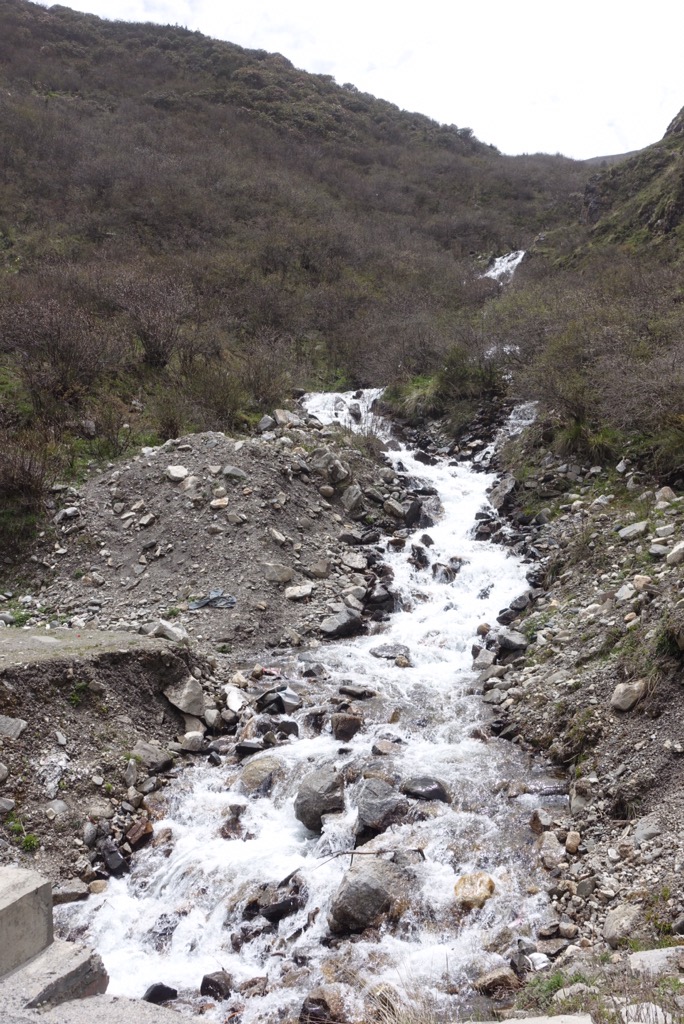
After breakfast, we went on a day hike that began right behind the hostel. It was a lot of uphill walking, but the scenery was gorgeous. We started off walking through a Tibetan graveyard.
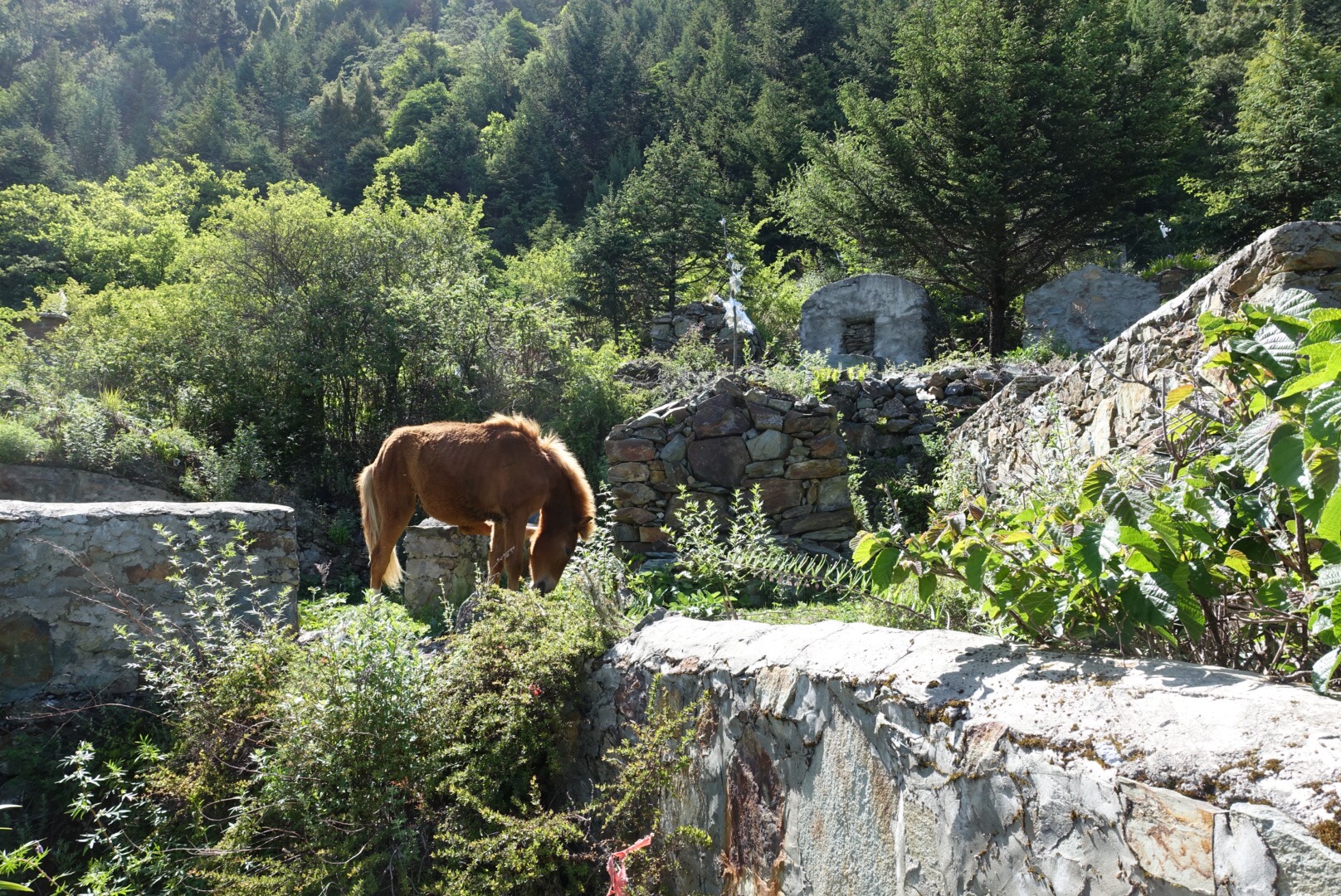


Next, after walking through a ton of power line towers, we walked through a nice pine forest.


We eventually made it to the gorgeous grasslands at the top of the hill, with snow-capped mountains in the distance in nearly every direction.


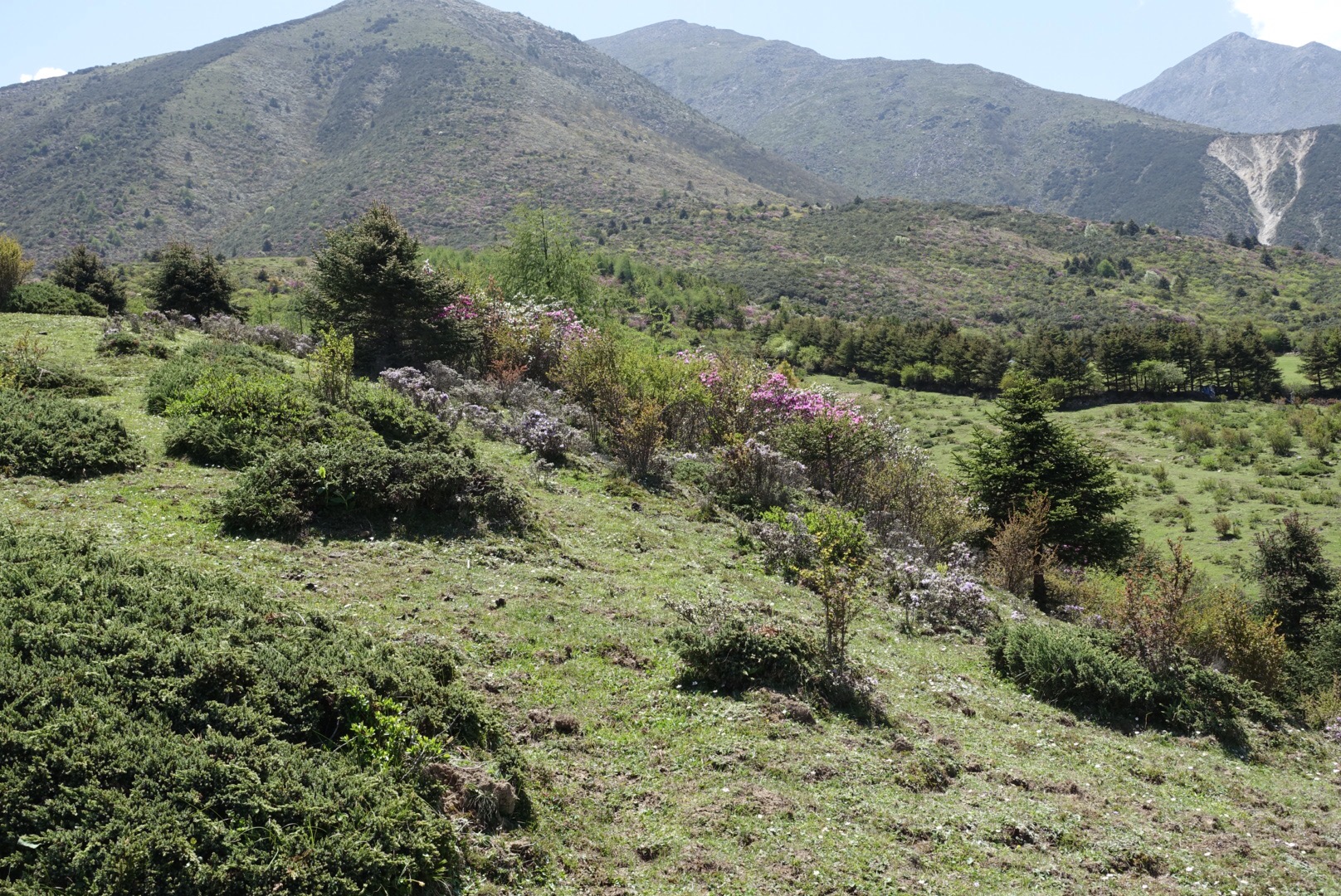

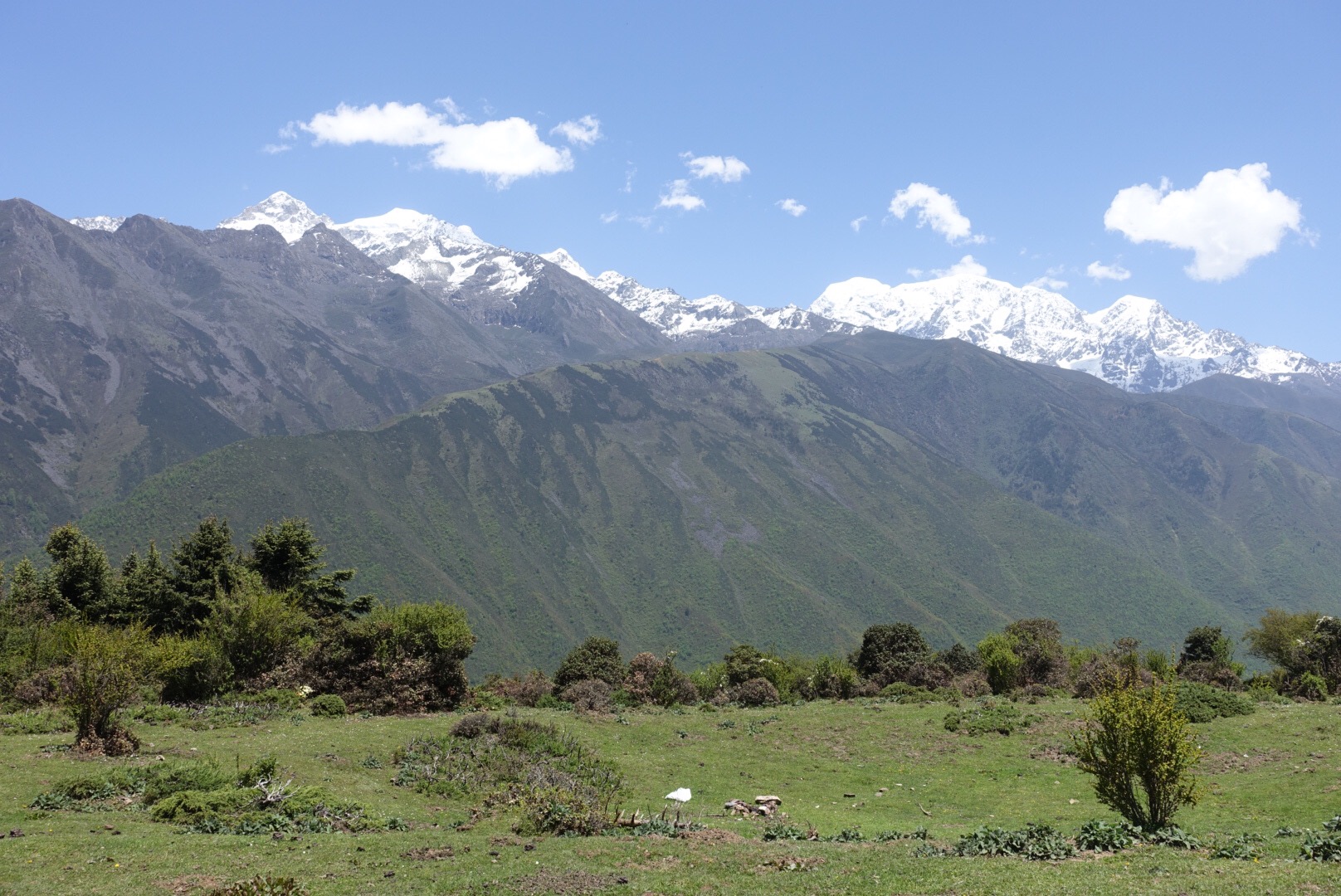
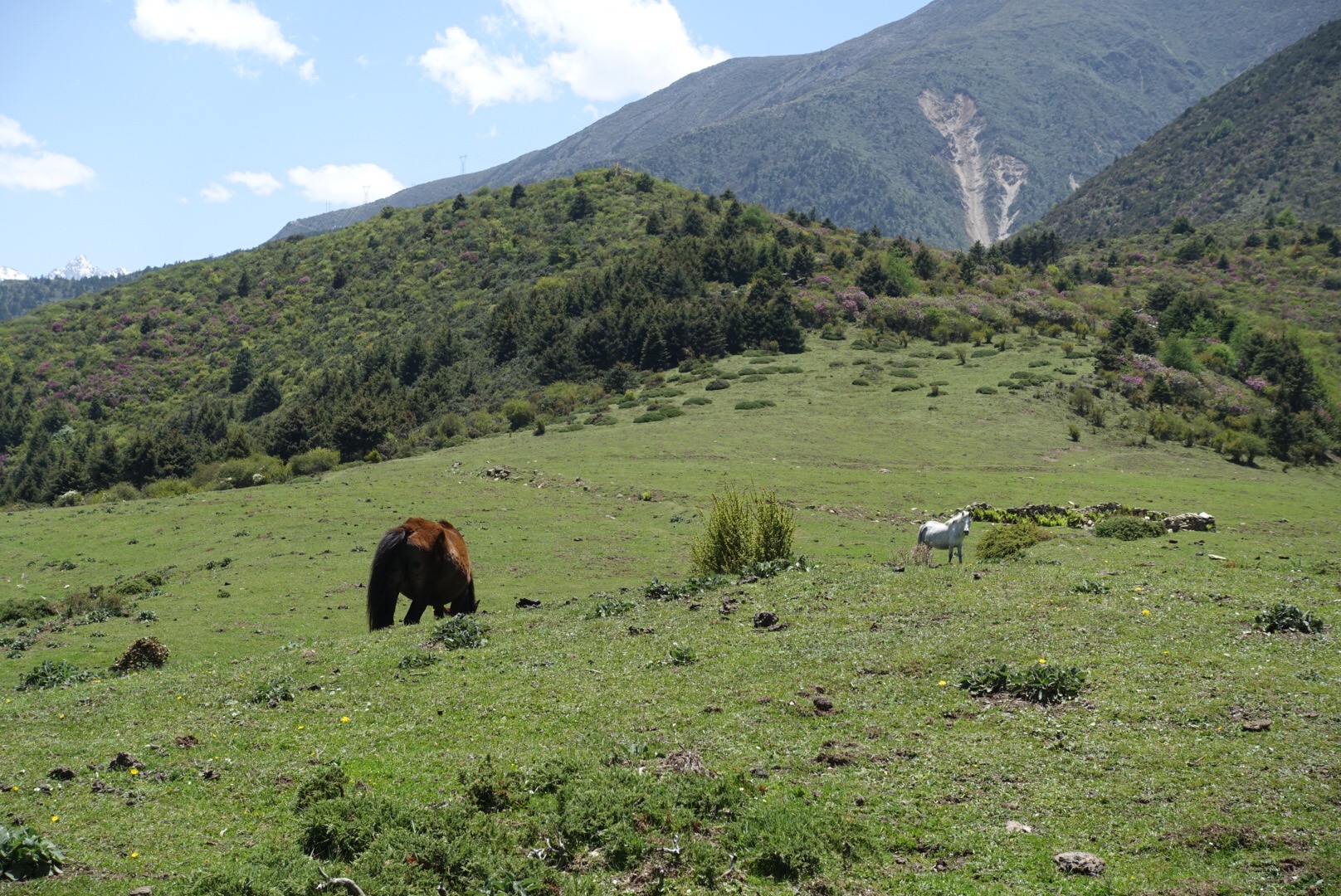
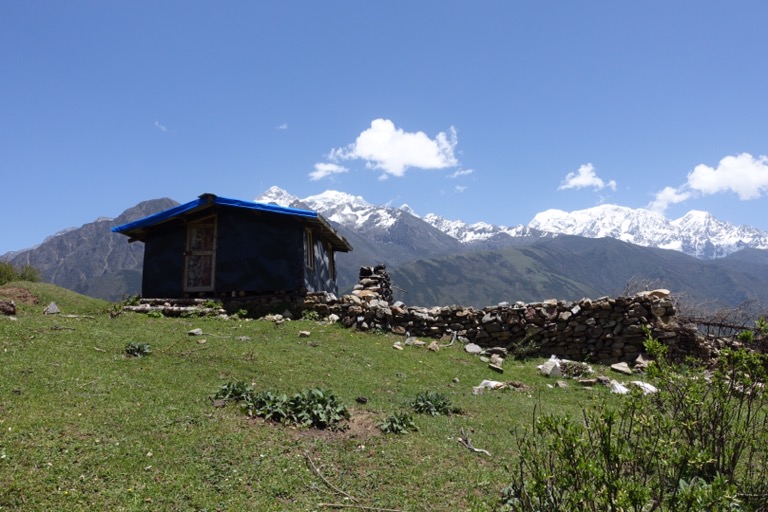
We ate a small lunch and hung out for a bit, soaking in the ridiculously beautiful scenery.


In the evening, we headed downhill from the hostel to find some dinner. We walked through the old town for a bit, then found a restaurant that the hostel owner recommended in his guide to town.


They forgot to mention in the guide that the menu is 100% in Chinese and no one speaks any English.. We thought, o crap, we are never going to be able to get food here! But we used google translate to ask if they had any recommendations, and we ended up with two Sichuan specialties: deep fried eggplant with spicy sauce, and chicken cubes with peanuts and spicy peppers (aka Kung Pao chicken). Both were delicious, very flavorful, but as you can see, they use A LOT of oil in their cooking – the sauce in the dish on the right is almost entirely oil. We had been told many times by other travellers that they didn’t like traditional Chinese food because it was way too oily. This was our first experience with ridiculously oily food here – maybe we had just gotten lucky up until this point. Unfortunately not our last ‘way too oily’ meal..

The next day we caught a bus in the morning for the 8 hour ride to our last Chinese city of this trip, Chengdu!
 fromkatietoyou